• Skip to main content
  • Skip to primary sidebar

Mike Hohnen

Coaching for personal growth, change and development

  • ABOUT
  • SERVICES
  • LIBRARY
  • COURSES
  • LOGIN
  • BLOG

Blog Page

Integral Theory in Action

April 13, 2022By Mike Hohnen

[lang_en] We have been dabling with Integral theory for a few years now – and have slowly gained some understanding of the ideas and maybe more importantly also understood how much more there is to learn. But I think it would be fair to say that at this point the way we run our business and our trainings is definitely integrally informed – probably not 100% compliant but definitely informed.

The combination of theory and practice became very clear to me when I attended the 4 day Integral Theory in Action conference in California this summer – the first of its kind where more than a 100 presenters had submitted papers relating to Integral Theory.

Integrally informed approaches to transformational leadership development
One presentation: “Integrally informed approaches to transformational leadership development” by Alain Gauthier & Marylin Fowler was particularly interesting from my point of view.

The presenters Alain Gauthier and Marylin Fowler have over a period of 9 months researched more than 20 cutting edge management development programmes. They summarize their key findings as follows:

“The selected programs focus on developing integrally-informed approaches that put equal emphasis on the ‘interior’ dimensions of both individual and collective development (intention, worldview, purpose, vision, values and cultural norms) and on its ‘exterior’ or visible dimensions (behaviors, organizational structures and processes), and how shifts or interventions in these domains must be coherent for change to be both deep and sustainable. They also pay attention to developmental levels in these dimensions, and to the dynamic relationship between individual and collective transformation”

Characteristics of the programme
The research also identified a number of common characteristics of the leading edge programme. They were:

“1. Over a period of four months to two years, they alternate short intensive retreats and months of fieldwork, with periodic individual coaching and/or mentoring by people who know the program well.

2. Their cohorts range from 15 to 25 people, to allow both large group dialogue and individual coaching by faculty members.

3. An attentive selection of candidates ensures both good fit and good timing, with the help of ‘alumni’ who become nominators and/or mentors.

4. They emphasize action learning, offer multiple conceptual frameworks, approaches and practices as possible entry points, and combine inner work, peer learning, individual and team coaching, action-learning projects and community building.

5. There is a strong commitment to values and corresponding behavior patterns throughout the programme (Kofman, 2006).

6. Innovative learning processes include various forms of group and individual practices (Part II refers to a number of these practices as well as many others):

Self-reflection practices such as action inquiry, journaling, meditation, silent nature retreats
Analysis of films and other artwork
Artistic expression, body movements, improvisation
Circle rituals and other forms of deep dialogue
Peer shadowing
Learning journeys
Hands-on ‘prototyping’ and experimentation

7. Programme design and activities evolve over time, based on the evaluation of each retreat and of the overall programme by faculty and participants, as well as on participants’ initiatives within the programme.”

Similar to the way we conduct leadership development in GROW
These finding are of course very encouraging for us – because the seven key characteristics to a very large degree reflect the way we conduct the GROW Service Managment Action Learning programme that we run and that is accredited by the University of Chester. If you are interested in reading the full report of their findings you can download their paper here. You can read some more about how we integrate integral theory in GROW here.[/lang_en]
Filed Under: General

Arbejdsglæde kan ses på bundlinien

April 21, 2016By Mike Hohnen

[lang_da]DR’s Magasin “Penge” i denne uge handlede om den klare forbindelse, der er fra glade medarbejdere til glade kunder, der igen fører til bedre indtjening.

Det kommer ikke som nogen overaskelse for os. Vi har nu siden 1995 forklaret principperne i The Service Profit Chain til alle, der gad høre på det.

Så hvorfor nævner jeg det igen?

Fordi det, der ikke fremgik tydeligt nok i DR-programmet, efter min mening, er, hvad det så er, der skal til for at fremelske den nødvendige arbejdsglæde. Begrebet social kapital blev brugt igen og igen – men kun i to meget korte sekvenser kom man ind på, hvad det egentlig indebærer. I et meget kort klip, hvor 3-5 medarbejdere, der alle var glade for at skulle gå på arbejde, skulle forklare hvorfor, svarede de:

De følte, at de blev involveret
De følte, at de gjorde en forskel
De følte, de blev hørt

Der var ingen, der nævnte den nye kantine, pensionsordningen eller julefesten – vel?

Hvorfor ikke? Fordi vi skal forstå, at der en forskel på arbejdskontekst og arbejdsindhold. Motivation og demotivation er ikke to sider af samme sag. Det er to forskellige ting.

Det, der motiverer mig, er det arbejde, jeg udfører/får lov til at udfolde mig i. Det, der demotiverer mig er de omgivelser (konteksten), jeg skal gøre det i. Arbejdskontekst handler om uniformer, løn, arbejdsredskaber, relationer til overordnede, julefesten, pensionsordninger m.m. Arbejdsindhold handler om, i hvor høj grad jeg kan få lov til at udfolde mig i mit arbejde, og i hvor høj grad jeg selv føler, at min tilstedeværelse gør en forskel. Hvis jeg fjerner noget fra en del af konteksten i positiv forstand – f.eks. at flytte en person fra hjørnekontoret til kælderen, så får jeg demotivation. Men jeg får ikke massiv motivation ved at flytte en fra kælderen op i hjørnekontoret – hvis jobbet stadig er at samle klemmer… Ny kontekst giver nogle gange et kortvarigt boost, men så er det tilbage til normale tilstande igen. Jeg kan forebygge demotivation ved at skabe fornuftige rammer for folk – men vil jeg have motivation, skal jeg skabe en stilling med et spændende indhold.

I udsendelsen blev der henvist til en rapport fra det Nationale Forskningscenter for Arbejdsmiljø (NFA). Hovedkonklusionen på rapporten er:

“Tillid, retfærdighed og et godt samarbejde på arbejdspladsen – tilsammen den sociale kapital – skaber glade medarbejdere. Og glade medarbejdere er en forudsætning, hvis en moderne virksomhed vil tjene penge.”

For de af jer der er vant til at arbejde med Service Profit Chain, er det vi i den sammenhæng kalder intern kvalitet det, som man i denne rapport kalder social kapital. Det er i hvertfald meget tæt på.

Du kan downloade en kopi af rapporten på DR’s hjemme side og gense udsendelsen.

[/lang_da]

Filed Under: General

Foodservice Summit 2009

September 24, 2008By Mike Hohnen

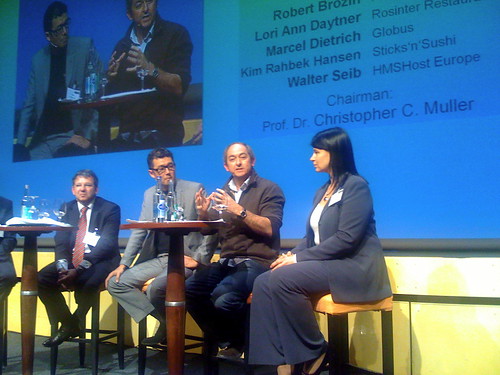
[lang_en]CEO Pannel
I’m back from a quick spin to Zurich and the Foodservice Summit – trying to digest and extract those first impressions from what was a tightly packed programme. But three things stand out:

Purpose, People, Planet and Profit
There is a shift coming – for years Foodservice has to a very large extent been about concepts. Design and food combined in such a way that they are easily reproducible – the famous cookie cutter approach – roll out the units, the faster the better. But now there are clear signs that the 4 P’s of marketing: Product, Price, Place and Promotion are being challenged by a new type of awareness and approach to foodservice – the new 4 P’s are now: Purpose, People, Planet and Profit, and in that order. This was a clear theme in several presentations. Living examples at the FSS were Leon and Nandos

Back to Basics
Several speakers mentioned simplicity, authenticity and back to basic as a key aspect of what they do. Food is about trust – more so than ever and foodservice is the last link in a long chain from farm to fork. Foodservice will need to work hard to earn and maintain the trust of the consumer. But that means walking a fine line. I have previously noted that I am worried that it is somehow becoming acceptable to add all sorts of ugly chemicals to food in order to make it spectacular – as it’s done by the Techo Catalan high priests in Spain. But we all scream murder when we hear that the so called industrials have added MSG to the Asian take away soup. So from that point of view it was great to see that focus is on authenticity and back to basics.

We don’t go out to eat – we are out and need to eat.
This is another subtle shift that has happened over the past few years. A large part of Foodservice is now about supplying people on the move with what they need much more than catering to that special occasion when they go out.

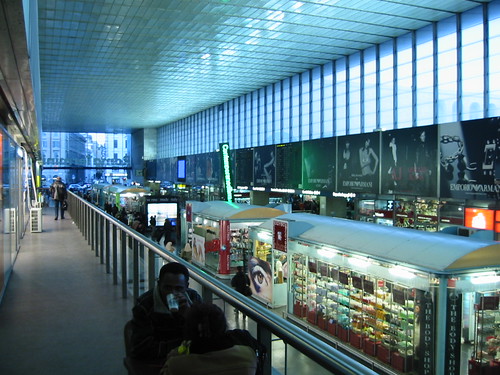
Termini Roma

The new railway stations are now the new high street locations. It started with Termini in Rome a few years back but now Berlin and St. Pancras also have new rail travel hubs that showcase all the latest innovations in Foodservice.

Once I get my notes sorted out I shall be back with more details[/lang_en]

Filed Under: General

How much extra for nice?

September 23, 2008By Mike Hohnen

Is the question Seth Godin asks on his blog – it reminds me of a quote i once read from the HR people at South West Airlines: ” It is not technical skills we are looking for it is nice people. We can train people to do anything technical, but we can’t make them nice” .
When I conduct training’s for front line staff I ask them what in your opinion is a wow experience and when did you last have one. Invariable the same happens no matter what group I do this with: a) out of 25 – 30 people only 3-5 have had a wow service experience.
b) when I then ask them to describe in detail what is was, 9 times out of 10 the best experience always have to do with some one who was exceptionally nice – never ever do people mention the chandeliers in the reception area, the 6-foot flat screens in their room or any of the other features that are listed in a hotel brochure – always we come back to nice – my conclusion on this is: wow – what an opportunity, obviously very few people do it and it costs virtually nothing to implement – A huge opportunity indeed as Seth Godin says. I could not agree more.

Read the post here

Filed Under: Foodservice, Hotel, Training & Development

Nyt trendhæfte – en godbid til sanserne

April 13, 2022By Mike Hohnen

[lang_da]Vi har netop sendt vores nye trendhæfte på gaden – et udpluk af de mange oplevelser og sanseindtryk, vi har samlet fra vores trendstudier gennem årene fra diverse metropoler rundt om i verden. Fænger nedenstående smagsprøve din interesse, så bestil et eksempar hos os allerede i dag. Hæftet er på 54 sider og koster 129,- plus moms og porto. Send dit navn, e-mail og adresse til info4grow@me.com, så sender vi dig fluks et eksemplar.

De 10 artikler i hæftet har fokus på de trends, som vi mener rækker et godt stykke ud i fremtiden og og sætter nye standarder for foodservicebranchen. Og de mange spændende, skæve, nytænkende og begejstrede iværksættere, som vi har besøgt, er i høj grad værter for sanser, for skønhed, vildskab, innovation og fremsynet forretningssans for en branche, hvor der er for meget af alt og derfor stor konkurrence om at skille sig stærkt ud og bide sig fast i et marked, der hele tiden må forny sig for at overleve.

Her kommer en appetitvækker fra bogens billedmateriale.

< [/lang_da]

Filed Under: General

Vi er tilbage fra Madrid

April 21, 2016By Mike Hohnen

IMG_0678.JPG

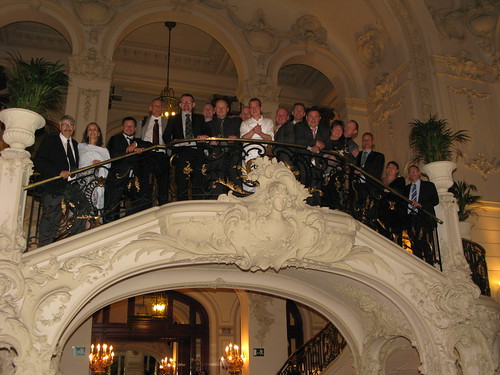
[lang_en] In June we went on a food safari to Madrid – it was spectacular. Especially our vissit to La terazza del Cassio It is part of the El Bulli Group and that shows. -[/lang_da]

[lang_da]Vi have en fantastisk tur til Madrid!
Sidste aften besøgte vi La Terazza del Cassio – en kulinarisk oplevelse udover det sædvanlige. Som et ekstra plus mødte vi Nicolai Tram. Nicolai arbejder på La Terazzza, og vi fik en tur bag kulissserne og rigtig god snak om hans job.

Corral de la Morera (14) (Large).JPG

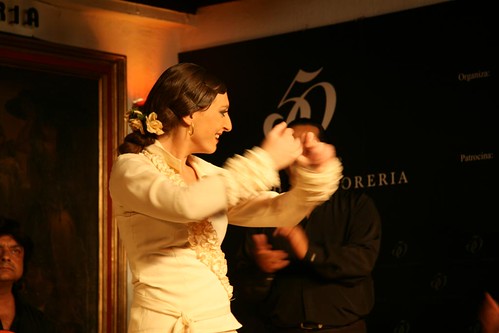
En aften med Flamenco hører sig til.

Restaurant Arola (Large).JPG

Men mest handlede det nu om mad.

Hvidvin crop copy (Large).jpg

[/lang_da]

Filed Under: Foodservice, Trends Tagged With: Urban safari Madrid

MTV – Mig, Mit Team og Min Virksomhed

May 29, 2008By Mike Hohnen

[lang_da]Vi er nået til modul II. På første modul havde vi fokus på, hvordan vi selv fungerer. Spørgsmålet er, hvad der skaber vores indstilling til tingene – og især hvor stor en indflydelse vores egen indstilling har på vores oplevelse af, om vi har haft en god eller en dårlig dag. Det er er ikke det, som sker i vores hverdag – det er måden, vi reagerer på det, som sker, der har den afgørende betydning.

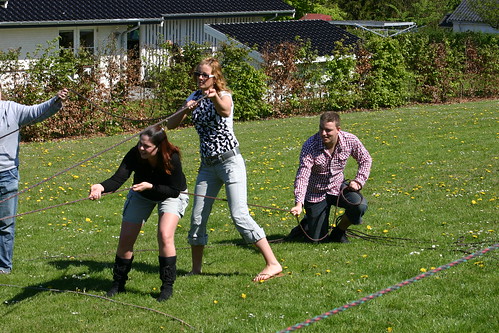
IMG_5228.JPG

På Modul II gælder det vores rolle på holdet. Der er ikke ret mange jobs, hvor man opererer alene og ikke er afhængig af samspillet med andre – måske lige bortset fra hvis man har sin egen pølsevogn. Men ellers er det samspilet med andre – og især det at skulle løse opgaver i fællesskab – der karakteriserer de fleste jobs.

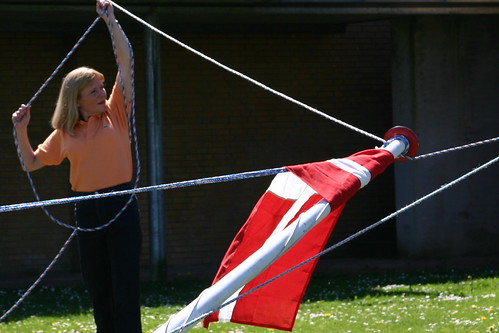
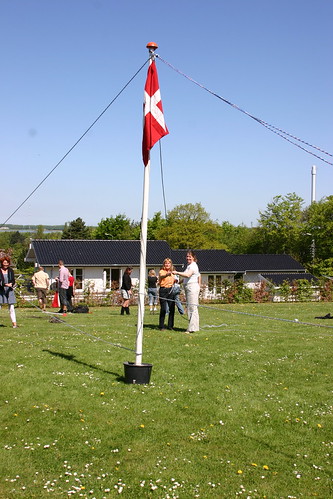
Og som Lothar Friis siger: What we do is what we train – så på modul II kaster vi os ud i at løse en række opgaver i fællesskab. En af dem at er noget så simpelt som at rejse en flagstang.

Steady now.JPG

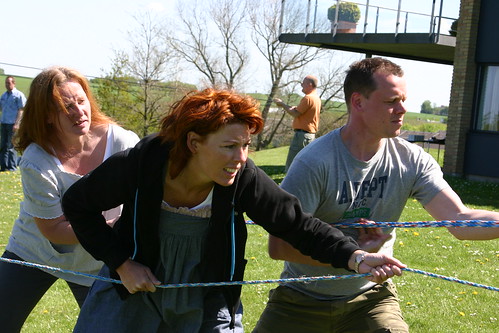
Hvor svært kan det være? Ja, Lothar har det jo med at stille nogle krav og regler der gør, at det måske ikke er så nemt, som man først skulle tro. Det var i hvert fald en opgave, der fik deltagerne til at få fokus og koncentration.

IMG_5223.JPG

Men til sidst lykkedes det for alle.

Success at last.JPG

Du kan se flere billeder her [/lang_da]

Filed Under: General

Træt af at vente på din latte?

May 29, 2008By Mike Hohnen

Filed Under: General

  • « Go to Previous Page
  • Page 1
  • Interim pages omitted …
  • Page 38
  • Page 39
  • Page 40
  • Page 41
  • Page 42
  • Interim pages omitted …
  • Page 102
  • Go to Next Page »

Primary Sidebar

Search here

Recent Posts

  • What You Inherited When You Took The Job
  • What happens to Suppressed Truth?
  • Is Your Organisation Just an Expensive Collection of Parts?
  • When Managers Check Out, Everything Downstream Dies
  • Why “nice” leaders lose their people
  • Measuring the Unmeasurable
  • The Authenticity Paradox: When Being Real Means Being Responsive
  • The Manager as Culture Weaver, Not Compliance Officer
  • The Future of Digital Relationships
  • The Relational Load of Modern Leadership

All you challenges at work are in reality realtionship challenges

Get fresh perspectives and practical wisdom on building authentic professional relationships that make your life easier.

Join my newsletter list here (published once a month)

The Legal Stuff

Terms & Conditions

Privacy Policy

© Copyright 2025 Thoughts4Action cc - Privacy Policy - Terms & Conditions

All your work challenges are really relationship challenges

Get fresh perspectives and practical wisdom on building authentic professional relationships that make your life easier.

Join my newsletter list here (published once a month)