Sounds nuts, I know, but according to research by psychologist Gary Klein, it’s a great way to improve the actual outcome of your projects.
But before we go into details, there is an additional benefit that fits in with this month’s theme of improving how our top management teams function.
You see if you perform what Klein calls a pre-mortem on your projects, you are also providing a psychologically safe space for your team to voice disagreement or worries without being labelled as negative spoilsports or even worse being seen as disloyal.
So how do you do it? You make a plan for the project in your usual way, or maybe it is just a plan how you are going to execute the day with your team. When everyone is happy that we now have a plan, you announce:
“I am sorry to tell you but it has turned out that project (X) was an unprecedented disaster. Please give me your ideas as what could have happened to derail the project so badly.”
This is a very different question from asking: “So what could go wrong?” When we ask the ‘what could go wrong’ question, voicing your doubts on the team can be much trickier and often decidedly outside the psychological safety zone.
Now, everyone gets out a pad of paper and brainstorms with themselves 3-5 ways that this project could have been totally derailed, or that this day that we planned so carefully ended up a total disaster.
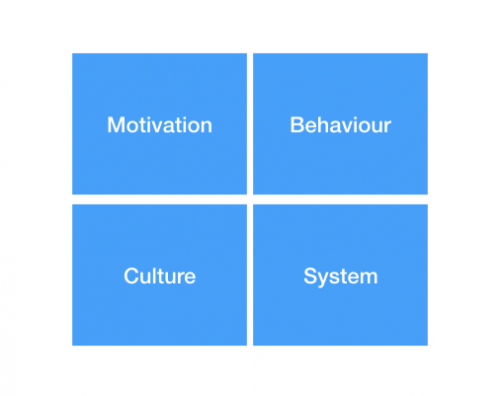
On a whiteboard or a flip-chart, draw a 2×2 as shown below:
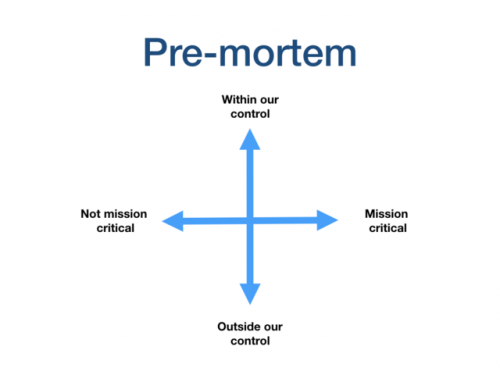
Now ask each person to read out their ideas as to why this day/ project went wrong. As they do, note the item in the appropriate square.
Now you have an overview of what problems we might encounter, sorted in a practical way. Discuss how to create proactive solutions where you can see the need and make a backup plan for the issues that you can see could happen under a certain set of circumstances.
You have now achieved two things:
1) You have proactively identified a number of issues that you would probably not have discovered until it was too late.
2) More importantly, you have provided a safe space where it is possible to actually discuss the proverbial elephant in the room. Instead of a messy feedback session loaded with blame and critique, you have made it possible to voice doubts in a constructive way regardless of hierarchies or departmental boundaries.
The method is called ‘prospective hindsight’ and according to Author Karl Weick, it can improve people’s ability to predict the reasons for future outcomes by 30%.


 When we design our customer experience, we typically focus on the touch points, moments of truth or my favourite moments of need. Whatever we choose to call them, these are the moments when the customer enters into contact with our service delivery system.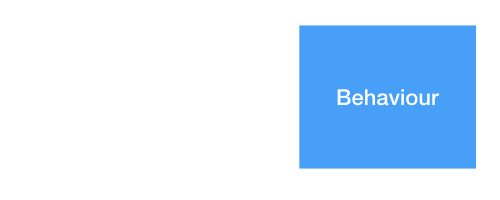
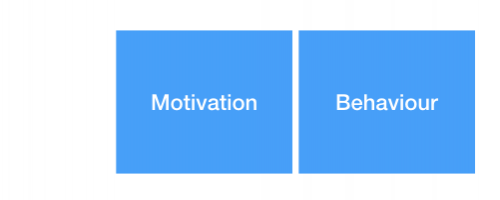 What influences how they feel?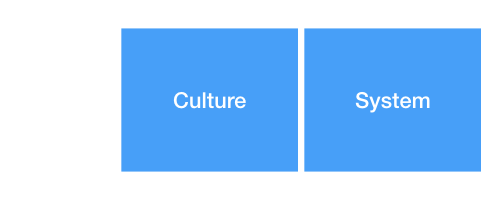

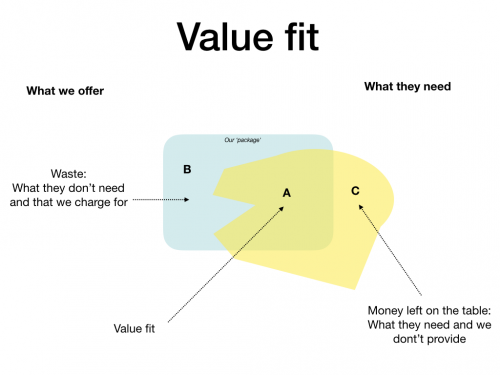 Everywhere you look, every ‘expert’ on service is telling you that the name of the game is to provide values. And that is true. No value, no business. Everytime you see a high profile brand or product tanks and disappears from the horizon, just think Nokia, Polaroid Kodak, it is basically because they lost it. From the customer perspective, they were no longer providing values.